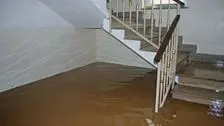

As summer gives way to fall, Eastern Iowa moves into one of its more unpredictable stretches of weather. Cold fronts collide with lingering warm, humid air, and the result is often a second wave of severe thunderstorms carrying heavy rain, damaging wind, and hail.
For Iowa City homeowners, this transition is the ideal window to check the systems that keep water out of a house, before a storm forces the issue. If a storm does get the better of a gutter, a roof, or a sump pump, immediate storm damage restoration in Iowa City, IA can mean the difference between a quick dry out and months of structural repair.
This guide covers how to prepare, what commonly fails when storms hit, and what a professional restoration response actually looks like if preparation isn’t enough.
Why Early Fall Is a Critical Storm Prep Window in Eastern Iowa
Iowa’s severe weather season is usually associated with spring, but the National Weather Service office that covers Johnson County has repeatedly flagged mid October through mid November as a secondary peak for damaging thunderstorm winds, large hail, and even tornadoes.
These fall systems tend to move through quickly and with less warning than the slower building storms of summer, which gives homeowners less time to react once a storm is on the radar.
Iowa City sits in a region that averages roughly three feet of precipitation a year, and fall storms can drop several inches in a single event. Combine that with trees that are still holding leaves into October, gutters that filled up over a busy summer, and sump pumps that haven’t run since spring, and you have the conditions for water to find its way into basements and crawl spaces. Preparing in September and early October, before the first hard fall storm rolls through, gives homeowners a real chance to catch problems while they’re still cheap and easy to fix.
Common Failure Points When Fall Storms Hit Iowa City Homes
Most storm related water damage doesn’t come from one dramatic failure. It comes from a handful of ordinary systems that quietly stopped doing their job.
1. Clogged Gutters and Downspouts
By early fall, gutters have usually collected a season’s worth of shingle grit, seed pods, and the first drop of leaves. When a heavy rain event hits, clogged gutters overflow along the roofline instead of channeling water away from the foundation, which is one of the most common precursors to basement seepage in older Iowa City neighborhoods.
2. Sump Pumps That Haven’t Been Tested Since Spring
A sump pump that sat idle all summer is a common weak point once fall rains return. Pumps fail quietly, whether from a stuck float switch, a clogged discharge line, or a worn motor, and homeowners often don’t discover the problem until water is already on the basement floor during a storm.
3. Aging Roofs on Older Homes
Iowa City’s central neighborhoods include a meaningful share of older housing stock, including homes in the city’s designated historic districts, alongside decades of newer construction throughout the rest of town. On older roofs, cracked or lifted shingles, worn flashing around chimneys and vents, and aging underlayment are all more likely to let wind driven rain work its way underneath during a fall storm, even when the roof looks fine from the ground.
4. Foundation Drainage Issues
Grading that has settled over the years, disconnected downspout extensions, or window wells without proper covers can all direct storm water straight toward the foundation instead of away from it. In a heavy fall rain event, this kind of drainage failure is often what turns a routine storm into a basement water damage claim.
A Practical Pre-Storm Checklist for Iowa City Homeowners
A few hours of maintenance before fall storm season can meaningfully reduce the odds of water finding its way inside. Consider working through the following before the first major storm system arrives:
- Clean gutters and downspouts, and confirm downspouts extend at least several feet away from the foundation.
- Test the sump pump by pouring water into the basin and watching the float switch engage, and check that the discharge line is clear and draining properly outside.
- Walk the roofline and look for missing, curled, or damaged shingles, along with flashing around chimneys, vents, and skylights.
- Trim tree branches that overhang the roof or sit close enough to strike siding and windows in high wind.
- Check that window wells have covers and are draining, not collecting standing water.
- Inspect exterior grading near the foundation for low spots where water could pool during heavy rain.
- Locate a battery backup or generator option for the sump pump in case a storm knocks out power during heavy rainfall.
- Bring in or secure outdoor furniture, planters, and anything that could become wind debris.
None of these steps require special tools, and most can be done in an afternoon. The goal isn’t to storm proof a home completely, it’s to remove the most common, preventable failure points before they’re tested by wind and rain.
What to Do If Storm Damage Happens Anyway
Even a well maintained home can take on water or wind damage in a strong enough storm. If that happens, safety comes first. Stay out of a flooded basement if there’s any chance electrical outlets, panels, or appliances are submerged or wet, and don’t attempt roof repairs during or immediately after a storm.
Once it’s safe to assess the situation, photograph the damage before moving or removing anything. Wide shots of the affected rooms, along with close ups of specific damage like water lines on drywall, soaked carpet, or a compromised section of roof, create a record that supports both the restoration process and any insurance claim.
From there, two calls matter most: one to a storm damage restoration company to begin mitigation, and one to your insurance provider or agent to open a claim. Acting quickly on both fronts limits how far water spreads and how much of the home ends up affected.
The Professional Storm Damage Restoration Process
When storm water gets into a home, what happens in the following hours and days determines how much of the structure and its contents can actually be saved. Here’s what a professional storm damage restoration response typically involves once Brown’s Floor Care & Restoration is on site.
1. Water Extraction and Structural Drying
The first priority is removing standing water as quickly as possible using pumps and extraction equipment, since the longer water sits, the more it soaks into subflooring, drywall, and framing. Once standing water is out, the drying phase begins.
Air movers are positioned to push air across wet surfaces and accelerate evaporation, while dehumidifiers pull moisture out of the air itself so materials can actually finish drying instead of just staying damp under the surface.
2. Moisture Meter Monitoring
Visible water is only part of the problem. Moisture often travels behind baseboards, under flooring, and inside wall cavities where it isn’t obvious. Professional technicians use moisture meters to track how much water is present in building materials over the course of the drying process, and to confirm materials have actually returned to a normal, dry range before drying equipment is removed. Skipping this step is one of the main reasons homeowners end up with hidden mold weeks after a storm looks like it’s been cleaned up.
3. What Happens to Unsalvageable Materials
Not everything survives a significant water intrusion. Materials like saturated carpet padding, water damaged drywall, and insulation that has absorbed moisture often can’t be effectively dried and instead need to be removed to prevent mold growth and further deterioration.
Removing compromised material early is a normal, necessary part of the restoration process, not a sign that a job has gone wrong.
4. Handling Roof and Exterior Damage
When a storm has caused visible roof or exterior damage, such as missing shingles, exposed underlayment, or damaged siding, the immediate priority is stopping ongoing water intrusion.
That typically means temporary measures like tarping an exposed section of roof to keep additional rain from getting into the structure while the interior water damage restoration work moves forward. Any longer term roofing or exterior repair work is coordinated as part of the overall restoration and repair process.
Documenting Storm Damage for Your Insurance Claim
Insurance coverage for storm damage varies significantly depending on your specific policy, so it’s worth reviewing your coverage details or asking your agent directly what is and isn’t included before a storm hits. In general, thorough documentation strengthens any claim.
In addition to the photos taken immediately after the storm, keep records of the restoration timeline, any materials that had to be removed, and communication with your restoration provider.
A restoration company that documents its process, including moisture readings and the condition of materials before and after work is completed, can provide the kind of detailed record insurers often ask for when evaluating a storm damage claim.
When to Contact Brown’s Floor Care & Restoration
If a fall storm has left standing water in your basement, a leak tracing back to roof or gutter damage, or any water intrusion you’re not confident you can fully dry out on your own, it’s time to bring in a professional. Brown’s Floor Care & Restoration provides storm damage restoration in Iowa City, IA, along with the broader water damage restoration, flood cleanup, and mold remediation services that often follow storm related water intrusion.
The sooner a professional response begins after a storm, the more of your home and belongings can typically be saved. If your Iowa City home has taken on storm damage this fall, contact Brown’s Floor Care & Restoration to start the restoration process before minor water damage turns into a bigger, more expensive problem.
Frequently Asked Questions
How Soon After a Storm Should I Call a Water Damage Restoration Company?
As soon as it’s safe to do so. Water that sits for more than a day or two significantly increases the risk of warped flooring, damaged drywall, and mold growth, so contacting a restoration company right after a storm, even before your insurance claim is finalized, helps limit how much damage spreads.
Will My Homeowners Insurance Cover Storm Damage Restoration in Iowa City?
It depends on your specific policy. Many policies cover sudden storm related water damage, such as a roof leak from wind driven rain, but coverage details vary and some policies treat flooding differently from wind or storm damage. Review your policy or speak with your agent to understand exactly what’s included before a storm happens.
How Can I Tell if My Sump Pump Is Ready for Fall Storm Season?
Pour a few gallons of water into the sump basin and watch whether the float switch triggers the pump and the water drains out through the discharge line without backing up. If the pump doesn’t engage, runs but doesn’t clear the basin, or you hear unusual grinding or humming, it’s worth having it inspected before a major storm arrives.
What’s the Difference Between Storm Damage and General Water Damage Restoration?
Storm damage restoration often starts with an active source, like a compromised roof, damaged gutters, or floodwater entering from outside, that needs to be addressed alongside the water intrusion itself. General water damage restoration, from something like a burst pipe, doesn’t usually involve that same exterior component, though the drying and structural restoration steps overlap significantly.
Can Older Homes in Iowa City Be More Vulnerable to Fall Storm Damage?
Older roofing materials, aging flashing, and foundation drainage systems that were built to different standards can make older homes more susceptible to water intrusion during heavy fall storms. That doesn’t mean older homes are guaranteed to have problems, but it does make the pre-storm checklist steps, especially the roof and gutter inspection, worth taking seriously.