
A house fire changes everything in a matter of minutes, and what happens in the days after can matter just as much as the fire itself. For Iowa City homeowners, understanding what fire damage restoration actually involves, from the moment the fire department clears the scene to the final walkthrough, makes a frightening situation much easier to manage.
Brown’s Floor Care & Restoration works with Eastern Iowa families through every stage of that process, and this guide walks through what to expect, what to avoid, and how professional fire damage restoration protects both your home and your health.
Why Fire Damage Restoration Requires Professional Handling in Iowa City Homes
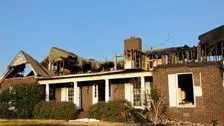
Fire damage is rarely limited to the room where the fire started. Heat, smoke, and soot travel through HVAC ducts, wall cavities, and attic spaces, and firefighting efforts often introduce significant amounts of water into a structure that was never designed to handle it.
In many of Iowa City’s older homes, especially those in the historic districts near downtown and the neighborhoods around the University of Iowa, original plaster walls, wood trim, and aging wiring can complicate both the damage pattern and the repair process.
Attempting to clean or repair fire damage without professional equipment and training can make things worse. Soot is acidic and can continue etching into metal, glass, and finishes the longer it sits. Water left behind by firefighting can seep into subfloors and framing, setting the stage for mold growth within days.
A professional fire damage restoration service is built around identifying every affected area, not just the visible ones, so that the home is fully returned to a safe, livable condition rather than just made to look clean on the surface.
Is It Safe to Re-Enter Your Home After a Fire?
After a house fire, seeing the damage firsthand can feel urgent, but safety should come before inspection or cleanup. Even after the flames are out, hidden structural damage, lingering smoke, and damaged utilities can create serious hazards. Before re-entering, homeowners should wait for official clearance and understand the risks that may remain.
Waiting for Fire Department Clearance
The first and most important rule after any house fire is that no one should re-enter the home until the fire department has officially cleared it. Fire crews assess whether hot spots remain, whether the structure is stable, and whether utilities need to be shut off before anyone goes back inside.
In Iowa City, the Fire Marshall’s office may also need to complete an investigation before the property is released back to the homeowner. Re-entering early, even briefly, puts you at risk of injury from structural failure, exposure to toxic gases, or reignition of hidden embers.
Structural Risks You Can’t See
Fire weakens materials in ways that are not always obvious. Ceiling joists, roof trusses, and floor supports can be compromised by heat even when they still look intact. Electrical systems damaged by fire or water may pose a shock or reignition hazard. Until a qualified inspector or restoration professional has evaluated the structure, it is safer to assume any part of the home could be unstable.
Air Quality and Health Concerns
Smoke and soot leave behind fine particles that can irritate the lungs, eyes, and throat long after the visible flames are gone. Burned synthetic materials, insulation, and household chemicals can release harmful compounds into the air. This is one of the main reasons professional restoration technicians use protective equipment and controlled ventilation rather than simply opening windows and airing the home out.
What Not to Do Before Restoration Begins
There are a few common mistakes homeowners make in the hours after a fire that can add cost and complication to the restoration process. Avoid the following:
- Do not turn on the HVAC system, since it can spread soot and smoke particles throughout the ductwork and into areas that may otherwise remain unaffected.
- Do not attempt to wipe soot off walls, furniture, or other surfaces, since the wrong cleaning method can grind soot particles deeper into the material or spread staining to unaffected areas.
- Do not eat or use food, beverages, or medications exposed to smoke, heat, or firefighting water, since contamination is not always visible.
- Do not throw away damaged items right away. Document them with photos and, when possible, have your insurance adjuster review them before disposing of anything.
What to Do Immediately After a Fire
Once the fire department has cleared the property, there are several practical steps that help protect your home and support your insurance claim. Contact your insurance company as soon as possible to report the loss and start the claims process. Photograph and take video of the damage room by room before any cleanup begins, capturing both wide shots and close-ups of specific items.
Secure the property against weather and unauthorized entry, which may mean covering broken windows or a damaged roof section. From there, contacting Brown’s Floor Care and Restoration allows a trained team to begin a professional assessment and start stabilizing the property before further damage occurs.
The Professional Fire Damage Restoration Process
Understanding the actual steps involved in fire damage restoration helps set realistic expectations for the weeks ahead. While every home and fire is different, a professional restoration project generally follows this sequence.
1. Initial Assessment and Damage Evaluation
The process begins with a room by room inspection to determine the extent of fire, smoke, soot, and water damage. This includes checking areas that are not visibly burned, since smoke and heat can travel through wall cavities, ceilings, and HVAC systems well beyond the point of origin. This assessment forms the basis of the restoration plan and helps establish what can be cleaned and restored versus what will need to be replaced.
2. Boarding Up and Securing the Property
If the fire has left windows broken, doors damaged, or sections of the roof open, the property is boarded up and covered to protect it from weather, pests, and unauthorized access while restoration work is planned and carried out. This step also helps prevent secondary damage from rain or wind before repairs begin.
3. Soot and Smoke Removal
Soot and smoke residue is removed from walls, ceilings, and other surfaces using techniques suited to the specific material involved, since porous surfaces like drywall respond very differently to cleaning than hard surfaces like tile or glass. This stage focuses on eliminating both visible staining and the acidic residue that can continue damaging materials if left untreated.
4. Structural Cleaning and Content Restoration
Beyond surfaces, the structural elements of the home, including framing, subfloors, and built-in cabinetry, are cleaned and treated as needed. Personal belongings such as furniture, textiles, and electronics are evaluated to determine what can be cleaned and restored versus what has been damaged beyond repair.
Flooring is a common area of concern after a fire, since heat, soot, and firefighting water can each affect different flooring materials in different ways.
5. Water Extraction When Firefighting Efforts Cause Water Damage
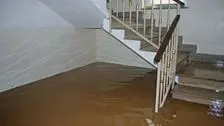
Because putting out a fire often requires large volumes of water, many fire damaged homes also need water extraction and drying. Standing water is removed, and affected areas are dried thoroughly to prevent the mold growth and structural weakening that can follow if moisture is left behind in flooring, drywall, or framing.
6. Odor Treatment and Deodorization
Smoke odor can linger in a home long after visible soot has been removed, since smoke particles penetrate deeply into porous materials like insulation, carpeting, and upholstery. Odor treatment targets these trapped particles rather than simply masking the smell, which is why this step often takes more time than homeowners expect.
7. Final Walkthrough and Restoration Completion
Once cleaning, structural work, and odor treatment are complete, a final walkthrough confirms that the home meets the agreed restoration scope. This is the point where any remaining concerns can be addressed before the project is considered finished, giving homeowners a clear picture of the work that was done.
Documenting Fire Damage for Your Insurance Claim
Insurance coverage for fire damage varies by policy, so it is important to review your specific coverage with your insurance provider rather than assume what is included. Thorough documentation supports a smoother claims process.
This means photographing and video recording damage before cleanup begins, keeping a written list of affected items and areas, saving receipts or records for major belongings when available, and holding onto damaged items until your adjuster has reviewed them or given written permission to dispose of them.
Keeping a simple file of all correspondence with your insurance company, including names, dates, and what was discussed, can also help if questions come up later in the claims process.
When to Contact Brown’s Floor Care & Restoration in Iowa City
If your Iowa City area home has experienced a fire, the safest and most efficient path forward is to contact Brown’s Floor Care & Restoration as soon as the fire department has cleared the property for entry. Early contact allows for a prompt assessment, helps prevent secondary damage from water, weather, or continued soot exposure, and gives you a clearer sense of what the restoration process will involve for your specific home.
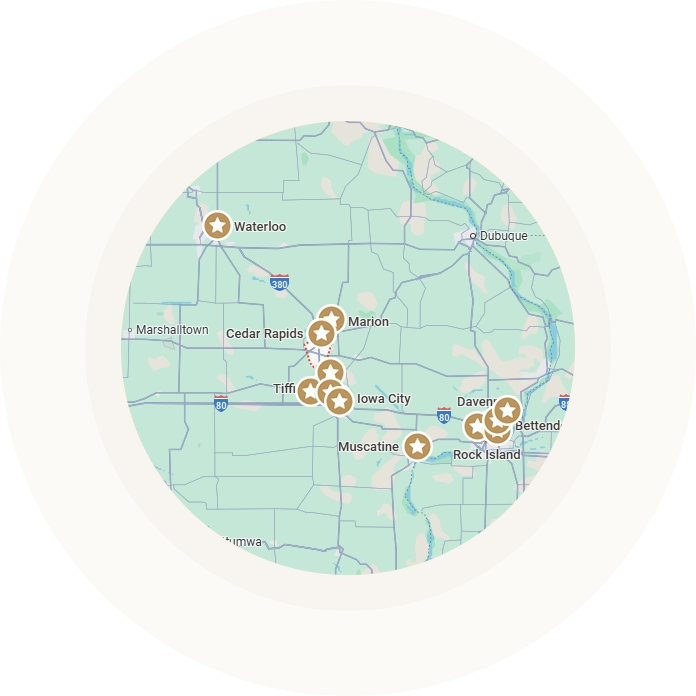
Brown’s Floor Care & Restoration provides fire and smoke damage restoration, along with water damage restoration and mold remediation, for homeowners throughout Iowa City and the surrounding Eastern Iowa communities.
Frequently Asked Questions
How Long Does Fire Damage Restoration Typically Take for an Iowa City Home?
Timelines vary widely depending on the extent of the fire, smoke, and any related water damage, as well as the age and construction of the home. A thorough assessment early in the process is the best way to get a realistic timeline for your specific situation.
Will My Homeowners Insurance Cover Fire Damage Restoration Costs?
Coverage depends on your specific policy and provider, so it is important to review your policy details or speak directly with your insurance company to understand what is covered. Documenting damage thoroughly from the start can help support your claim regardless of your coverage specifics.
What Is the Difference Between Fire Damage Restoration and Smoke Damage Cleanup?
Fire damage restoration addresses the full scope of damage from a fire, including structural repairs, soot removal, and water extraction, while smoke damage cleanup often refers specifically to addressing soot residue and lingering odor. Many fires involve both, which is why a full assessment is important before assuming only one type of service is needed.
Can Brown’s Floor Care & Restoration Work With My Insurance Adjuster During the Restoration Process?
Brown’s Floor Care & Restoration can coordinate documentation and communication related to the restoration work as part of the claims process, though the specifics of any given claim ultimately depend on your insurance provider and policy.
What Happens to Carpet and Flooring After a House Fire?
Flooring is affected differently depending on the material and how close it was to the fire, heat, or firefighting water. Some flooring can be cleaned and restored, while other sections may need to be replaced, which is determined during the initial assessment.