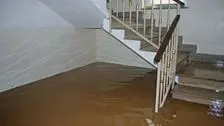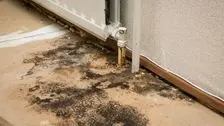

Finding water pooling across your basement floor in Iowa City is unsettling, and it happens more often than most homeowners expect. Unlike a burst pipe upstairs, a flooded basement is usually tied to what is happening outside the house, heavy rain overwhelming the ground around your foundation, a sump pump that could not keep up, or water finding its way in through a window well. Whatever the source, the response matters.
This guide walks through why basements in Iowa City flood, what to do in the first hour, and what a full water damage restoration process actually involves once professionals are on site.
Why Basements Flood in Iowa City
Basement flooding is different from water damage caused by a leaking pipe or failed water heater. In Iowa City, basement flooding is often tied to rain, groundwater, drainage problems, and conditions around the foundation.
1. Sump Pump Failure
Sump pump failure is one of the most common causes of basement flooding. A pump may stop working because of:
- A power outage during a storm
- A sudden increase in groundwater
- A stuck float switch
- Mechanical failure
- A pump that cannot keep up with incoming water
Homes without a battery backup are especially vulnerable during prolonged periods of heavy rain. When the pump stops working, water can quickly collect around the foundation and enter the basement.
2. Foundation Seepage
When the ground becomes saturated, water can build up against the foundation. This creates hydrostatic pressure that can force moisture through:
- Foundation cracks
- Mortar joints
- Gaps in the foundation
- The joint between the foundation wall and basement floor
Foundation seepage often develops gradually. Homeowners may notice damp spots along a wall, moisture in a corner, or water collecting on the basement floor.
3. Window Well Leaks
Basement window wells can collect stormwater, especially when drainage is clogged, damaged, or missing.Older homes may be more vulnerable if their window wells have:
- Poor drainage
- Missing or damaged covers
- Clogged drains
- Improper grading around the window
During heavy rain, water can build up in the well and enter through the window frame.
How Basement Flooding Differs From Plumbing Leaks
A leaking supply line or appliance usually creates a more localized problem. Once the source is identified, the water can often be shut off quickly.
Basement flooding can be more difficult to control because the source may be outside the home. Rainwater, saturated soil, or a failed sump pump can continue contributing water until the weather improves or the underlying problem is addressed.
Why Iowa City Homes Face This Risk
Iowa City’s history of heavy rainfall and flooding can increase the potential for basement water problems. The Iowa River experienced major flooding in 2008 and again in 2013, while prolonged rainfall can saturate soil even in areas outside the river’s floodplain.
Older housing can add another challenge. Some homes were built before modern approaches to foundation waterproofing, drainage, grading, and window well protection became common.
Together, heavy rainfall, saturated soil, sump pump problems, drainage issues, and aging foundations can make basement flooding a recurring concern for Iowa City homeowners.
Immediate Safety Steps Before You Approach a Flooded Basement
Before entering or inspecting a flooded basement, safety should come first. Floodwater can create electrical hazards that are difficult to see, so homeowners should avoid taking unnecessary risks and keep others away from the area until it has been assessed.
- Treat the basement as a potential electrical hazard. Standing water near an electrical panel, outlets, or furnace can carry a live current, even when the danger is not obvious from the top of the stairs.
- Do not enter standing water if the electrical panel is submerged or partially wet, or if you are unsure whether power is still on in that part of the house.
- Stay out of the basement if water has reached electrical outlets or the panel. Keep the area off limits until power has been confirmed off by someone who can safely access the breaker or by a professional.
- Keep children and pets away from the basement until the area has been properly assessed and declared safe.
- Watch for slippery stairs. Wet basement steps can create a serious slip hazard, so move carefully even after the electrical risk has been addressed.
What to Do First After Discovering a Basement Flood
Once you have confirmed that it is safe to proceed, taking the right steps in the right order can make a significant difference in the recovery process. Focus first on safety and documentation, then move quickly to professional water removal and drying.
- Shut off power to the basement at the breaker, but only if the electrical panel is dry and safely reachable. If there is any doubt, do not attempt this yourself. Wait for an electrician or restoration professional instead.
- Photograph and video the damage before moving or cleaning anything. Document the water level on walls, items sitting in water, and the condition of flooring, drywall, and belongings. This documentation can be important for insurance purposes and gives your restoration company a clear picture of the damage.
- Contact a water damage restoration company and your insurance provider as soon as possible. Standing water and elevated humidity can create conditions that support mold growth within roughly a day or two. Prompt extraction and drying can help limit the damage and improve the chances of saving affected materials and belongings. Contacting your insurer early also gives you an opportunity to understand what your policy may cover before making major cleanup decisions.
- Avoid using a shop vac near an active electrical hazard. Even wet/dry vacuums are not appropriate when electrical safety has not been established.
- Do not use a household vacuum on wet carpet or flooring. Standard household vacuums are not designed to handle the volume of water involved in a basement flood and can create additional safety risks.
The Professional Water Damage Restoration Process for a Flooded Basement
Once a water damage restoration team arrives, the work goes well beyond running a few fans. A flooded basement is treated as its own project, with distinct phases that build on each other.
1. Assessment and Water Extraction
The first step is assessing the scope of the flood, how much water is present, how far it has traveled, what materials it has touched, and where it likely entered the home. This assessment shapes everything that follows, since a sump pump failure with clean groundwater is handled differently than a sewer backup or prolonged standing water that has been sitting for days.
From there, extraction begins using pumps and wet vacuum equipment designed to remove standing water quickly, rather than household tools that cannot keep pace with the volume involved. Carpet, carpet padding, and any furniture sitting in water are addressed early in this phase, since padding in particular holds water and rarely dries out enough to be reused.
2. Drying With Air Movers and Dehumidifiers
After bulk water is removed, the real work of drying begins. Air movers are positioned to keep air circulating across wet surfaces, floors, and wall cavities, while dehumidifiers pull moisture out of the air itself so the space can actually dry rather than just feel less wet. This combination matters because a basement with high humidity and stagnant air can stay damp for days even after standing water is gone, which is exactly the environment mold needs to take hold.
3. Moisture Monitoring Against Documented Drying Standards
Drying is not something a technician eyeballs and calls finished. Moisture meters are used to check materials like drywall, baseboards, and subfloor against documented benchmarks for what counts as dry, and readings are typically taken and logged over several days rather than checked once. This kind of tracked, documented drying process, similar to the framework restoration professionals across the industry generally follow, is what separates a properly dried basement from one that looks dry on the surface but is still holding moisture inside the walls.
What Happens to Flooring and Drywall That Cannot Be Saved
Not every material can be dried in place. Carpet and padding that have been sitting in water are usually not salvageable and get removed rather than dried, since padding traps moisture and can become a source of odor or mold even after the surface looks clean. Drywall that has wicked water up from the floor is typically cut and removed up to the height the water reached, both to eliminate trapped moisture inside the wall cavity and to allow the framing behind it to dry properly. This is a normal, expected part of basement flood recovery rather than a sign that something went wrong, and it is one of the clearest differences between cleaning up a small leak and restoring a basement after a real flood event.
Documenting Basement Flood Damage for Your Insurance Claim
Insurance coverage for basement flooding depends on the specific terms of your policy. Do not assume that basement water damage is automatically covered or excluded.
Coverage can vary depending on the source of the water. For example:
- Sump pump failure may require a separate endorsement or rider.
- Sewer or drain backup may also require additional coverage.
- Groundwater seepage through foundation walls is often excluded.
- Sudden water damage may be treated differently depending on the cause and your policy.
Document the Damage Before Cleanup
Photos and video taken before cleanup can give your insurance adjuster a clear record of the damage. Document:
- The water level and affected areas
- Walls, flooring, ceilings, and other building materials
- Damaged furniture, appliances, and personal belongings
- The source of the water, if it can be safely identified
- Any visible structural or electrical damage
Keep receipts for emergency cleanup, temporary repairs, damaged item replacement, and other related expenses.
Most importantly, contact your insurance company before assuming what your policy covers. Ask specifically how your policy handles basement flooding, sump pump failure, sewer backup, and groundwater intrusion so you understand your coverage before moving forward with major repairs.
Preventing Future Basement Flooding in Iowa City Homes
While no basement can be made completely flood proof, a few maintenance habits meaningfully reduce the risk in Iowa City’s climate. Testing the sump pump periodically, especially before spring rains arrive, and considering a battery backup system so the pump keeps running during a power outage, addresses the single most common cause of basement flooding. Making sure downspouts extend several feet away from the foundation and that the ground slopes away from the house helps reduce the groundwater pressure that leads to seepage.
Window wells benefit from a properly fitted cover and a clear drain at the bottom rather than debris buildup that traps water against the window. Finally, having foundation cracks sealed and checking that a sump pump’s discharge line has a working check valve are both simple steps that reduce risk over time, particularly in Iowa City’s older homes where these systems may not have been updated in years.
When to Contact Brown’s Floor Care & Restoration
If your basement in Iowa City has flooded from a failed sump pump, foundation seepage, or a window well leak, the safest move is to call a water damage restoration professional as soon as it is safe to do so rather than waiting to see if it dries out on its own. Standing water and damp materials do not resolve themselves, and the longer a basement sits wet, the more likely it becomes that flooring, drywall, and belongings that could have been saved will need to be replaced instead.
Brown’s Floor Care & Restoration provides water damage restoration and flood cleanup for homes throughout Iowa City and the surrounding Eastern Iowa area, along with mold remediation when a basement has been wet long enough for growth to become a concern. If you are dealing with a flooded basement, contact Brown’s Floor Care & Restoration to have the situation assessed and to get a clear plan for extraction, drying, and repair, rather than guessing at what your basement needs on your own.
Frequently Asked Questions
How Is a Flooded Basement Different From a Regular Water Leak in Terms of Restoration?
A basement flood tied to a sump pump failure, foundation seepage, or a window well is generally driven by outside conditions like heavy rain and saturated ground, so it can involve more standing water over a longer period than an isolated leak from a pipe or appliance. Restoration for a basement flood often includes removing unsalvageable materials like carpet padding and lower sections of drywall, in addition to extraction and drying, since prolonged exposure changes what can realistically be saved.
Will My Homeowners Insurance Cover a Basement Flood From a Failed Sump Pump?
It depends on your specific policy. Many standard homeowners policies require a separate sump pump or sewer backup endorsement for this type of damage, and groundwater seepage is often excluded. Check your policy directly or ask your agent what coverage applies before assuming either way.
How Long Does It Take to Dry Out a Flooded Basement?
Drying time varies based on how much water was present, how long it sat before extraction began, and what materials were affected. Rather than a fixed timeline, professionals monitor moisture levels in the walls and flooring over several days and continue running equipment until those readings confirm the space is actually dry, not just dry to the touch.
Can I Just Run Fans and a Dehumidifier Myself Instead of Calling a Restoration Company?
Household fans and a small dehumidifier can help with minor dampness, but they are usually not enough to fully dry a basement after real standing water, especially inside wall cavities and under flooring where moisture can linger unnoticed. A basement that looks dry on the surface can still hold enough moisture to support mold growth if it was not dried and verified properly.
What Should I Do With a Sump Pump That Failed During a Storm Before Calling for Cleanup Help?
If it is safe to reach, you can check whether the pump is plugged in, whether the float switch is stuck, and whether the discharge line is clogged, since these are common and sometimes quick fixes. If the panel or outlet near the pump is wet, leave it alone and wait for a professional rather than risking contact with water near live power.