
Mold under carpets and rugs can be a sneaky problem that grows unnoticed until it’s too late. These cozy floor coverings can turn into a habitat for mold if they get wet and stay damp. Moisture easily gets trapped in the fibers, creating the perfect conditions for mold to settle in and spread.
The hidden nature of mold can make it hard to spot, especially if it’s under large rugs or wall-to-wall carpeting. This can lead to unpleasant odors, unsightly stains, and even health problems for those living in the home. Recognizing why mold issues arise helps in taking steps to keep your floors cleaner and healthier.
Understanding the Conditions for Mold Growth
Mold requires certain conditions to thrive, and it finds many of these under carpets and rugs. Moisture is the primary factor that invites mold, as these fungi need water to grow. Warmth accelerates mold growth, especially in humid environments where temperatures stay in a range that fosters development. Carpets, with their cozy nooks and crannies, often trap warmth and moisture, providing the ideal setting for mold.
Another critical component for mold is organic material. Sadly, dust and skin cells, which often settle in carpets, provide this nutritious layer for mold. Along with these, carpets and rugs can absorb spills and moisture from humid air, holding it close to the fibers. This trapped moisture doesn’t always dry out easily, allowing mold to settle in and multiply quietly.
This environment is enhanced by the flooring underneath, which might also contribute to mold growth if made of a porous material that retains moisture. Little airflow under rugs makes it an even better home for mold. Regular vacuuming and cleaning without proper drying techniques further contribute to these inviting conditions. Maintaining carpets and removing excess moisture helps in reducing these risks.
Common Causes of Moisture Under Carpets and Rugs
Several factors introduce moisture under carpets and rugs, creating a haven for mold. Everyday spills and accidents, like drinks tipping over or children splashing water, can soak into carpets and take time to dry. These spills, if not taken care of immediately, seep through the fibers and are tough to extract fully.
Leaks from plumbing running through walls and floors also lead to persistent moisture problems. Even a small leak over time may result in significant damage. Carpets near kitchens or bathrooms often face these issues, with water sneaking under the fibers and lingering unnoticed.
High humidity levels present a less obvious but equally problematic source of moisture. Humid air carries water that can be absorbed by both carpet and padding beneath. This damp layer becomes a breeding ground for mold and is challenging to detect without proper inspection tools.
Insufficient drying methods exacerbate these problems. After cleaning, carpet areas left damp will continue to retain moisture unless thoroughly dried. Simply allowing natural drying in a moist environment is often not enough. Using dehumidifiers and fans aids in speeding up the drying process, ensuring carpets don’t hold onto moisture longer than necessary. Preventing these sources helps you in maintaining mold-free carpets.
When Moisture Turns Into Damage: The Role of Water Damage Restoration
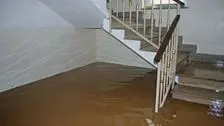
While everyday moisture from spills or humidity can often be managed with proper cleaning and drying, there are situations where the issue goes beyond routine carpet care. When water becomes trapped beneath carpets for extended periods — especially from leaks, flooding, or heavy saturation — it can lead to deeper structural concerns that require professional water damage restoration.
At Browns Floor Care & Restoration, we often see cases where what started as a small moisture issue developed into:
- Water-soaked carpet padding and subflooring
- Hidden mold growth beneath the surface
- Persistent odours that standard cleaning cannot remove
Unlike traditional carpet cleaning, water damage restoration focuses on removing moisture at its source and preventing long-term damage.
This process typically includes:
- High-powered water extraction to remove trapped moisture
- Industrial drying and dehumidification to fully dry carpet layers and subfloors
- Moisture detection tools to identify hidden water beneath surfaces
- Antimicrobial treatments to prevent mold growth and contamination
Acting quickly is critical. In many cases, mold can begin developing within 24–48 hours, especially in warm, damp environments like those found beneath carpets and rugs.
Understanding when a situation requires more than cleaning can help protect not only your flooring, but also the overall health and structure of your home or business. If moisture has been sitting undetected, professional restoration ensures the problem is fully resolved — not just masked.
Signs of Mold Infestation in Carpets and Rugs
Identifying mold under carpets and rugs isn’t always straightforward. One of the first indicators is a persistent musty odor. This smell results from mold releasing airborne spores and substances, which produce a distinct, unpleasant scent. If you notice such odors, it’s a sign to check beneath the carpet layers.
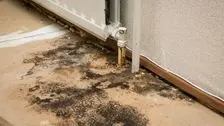
Visible signs, like green, black, or sometimes white spots, might appear on the carpet’s surface or backing. However, mold often starts hidden deep within the fabric layers, making early detection hard. Carpet areas that feel damp or display discoloration are potential mold zones.
To detect mold hidden beneath large rugs or wall-to-wall carpeting, it’s important to periodically lift corners and sections. Use a flashlight to spot hidden mold patches that might otherwise go unnoticed. Alternatively, moisture meters can help measure excess moisture levels, hinting at possible mold presence. Keeping a lookout for these signs assists in catching mold problems before they escalate.
Preventive Measures for Mold-Free Carpeting
Preventing mold in carpets and rugs involves a mix of good practices and timely actions. Regular cleaning is essential. Vacuum frequently to remove dirt and organic materials that feed mold. Deep cleaning or steam cleaning your carpets ensures more thorough maintenance and removes embedded moisture.
Controlling humidity levels in your home plays a big part in keeping floors dry. Dehumidifiers are especially useful in damp-prone areas, like basements. Ensure proper ventilation by opening windows or using exhaust fans in rooms with high humidity. This helps guarantee dry air circulation, reducing moisture levels under carpets.
Quick responses to spills and leaks are vital. Blot and dry spilled areas immediately with towels, and avoid letting moisture settle in the fibers. For larger accidents, involve professional cleaning services for effective water removal. Ensuring thorough drying after any cleaning process prevents water from lingering. All these keep your carpets in prime condition, free from mold troubles.
Understanding and managing the factors leading to mold under carpets and rugs protects your home environment. By recognizing the early signs and responding with effective cleaning and moisture control, you sustain a healthier living space. From eliminating excess moisture to regular maintenance, each step reduces the chance of mold making a home in your carpeting.
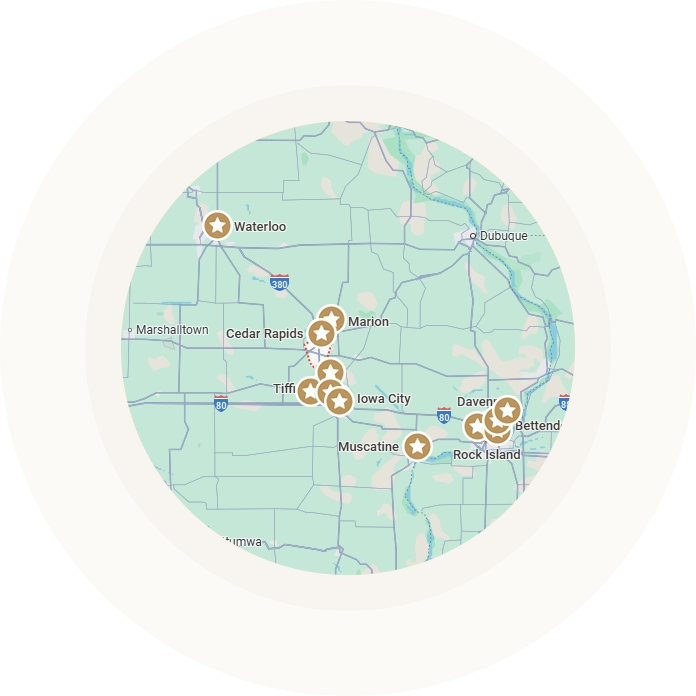
At Browns Floor Care and Restoration, we can help with our range of cleaning services to keep your carpets looking great and mold-free. Whether it’s professional advice or a full service carpet cleaning and mold remediation in Iowa, we’ve got your carpet care needs covered. Reach out to us today to ensure your carpets stay pristine and inviting for years to come!