Coralville summers get thick with humidity, and that moisture doesn’t stay outside. It works its way into basements, bathrooms, and attics, creating exactly the kind of environment mold needs to spread. Once mold takes hold, it doesn’t just damage building materials, it affects indoor air quality and can trigger allergy and respiratory symptoms for the people living in the home.
The good news is that most mold problems are preventable with a few consistent habits. The trickier part is knowing where mold tends to start and catching it before it spreads somewhere harder to reach, like behind drywall or under flooring.
This guide covers why humid summers make Coralville homes especially prone to mold, the areas most likely to develop it, and the steps that actually keep it from starting in the first place. It also covers when the situation has moved past a DIY fix and calls for professional mold remediation services Coralville homeowners can rely on.
Why Mold Thrives During Humid Summers
Mold doesn’t need much to get started, just moisture, warmth, and a surface to grow on. Coralville’s summer climate checks all three boxes, often without homeowners realizing it. These are the main factors that create the right conditions indoors.
High Indoor Humidity
Mold spores need moisture to grow, and indoor humidity above 60% gives them exactly that. Coralville’s summer air is often humid enough on its own that homes without proper dehumidification can sit in that range for weeks at a time without anyone noticing.
Poor Ventilation
Bathrooms, kitchens, and laundry rooms generate a lot of moisture through daily use. Without exhaust fans or open windows to move that moist air out, it lingers on walls and ceilings and gradually soaks into surfaces where mold can take hold.
Hidden Moisture After Storms
A heavy summer storm can leave moisture behind in places that aren’t obvious, like under carpet padding, inside wall cavities, or in a crawl space. If that moisture isn’t dried out within a couple of days, mold growth often follows.
Condensation Around HVAC Systems
Air conditioning units create condensation as they run, and that moisture can collect around ductwork, vents, or the unit itself. Combined with warm summer air, this creates a steady source of dampness that mold thrives on.
Areas Most Vulnerable to Mold
Mold doesn’t spread evenly through a home. It tends to concentrate in specific spots where moisture lingers longest and airflow is weakest. Knowing these areas makes it easier to focus prevention efforts where they matter most.
Bathrooms
Constant exposure to steam and standing water makes bathrooms one of the most common places mold starts, especially around tile grout, shower curtains, and under sinks.
Basements
Basements stay cooler and more humid than the rest of the house, and many have limited airflow. Any moisture from foundation seepage or a nearby leak tends to linger here longer than anywhere else in the home.
Attics
Poor ventilation combined with summer heat can trap moisture in attic insulation, particularly if there’s a small roof leak or condensation from HVAC ductwork running through the space.
Crawl Spaces
Crawl spaces sit close to the ground and often have higher humidity than the rest of the home. Without a vapor barrier, moisture from the soil can rise directly into the space and settle into wood framing.
Behind Drywall
Leaks inside wall cavities, from plumbing or window seals, create moisture that’s completely hidden until mold has already spread. This is often the hardest area to catch early without a professional inspection.
Best Ways to Prevent Mold This Summer in Coralville
Preventing mold isn’t complicated, but it does require consistency throughout the summer months. These habits address the moisture sources mold depends on before they get the chance to cause a problem.
1. Keep Indoor Humidity Below 50%
A dehumidifier in basements or other damp areas keeps humidity in a range where mold struggles to grow. A simple hygrometer can help track indoor humidity levels throughout the season.
2. Repair Leaks Quickly
Any leak, whether from a roof, a pipe, or a window seal, should be fixed as soon as it’s noticed. The longer moisture sits, the more likely mold becomes.
3. Improve Ventilation
Run exhaust fans in bathrooms and kitchens during and after use, and consider cracking windows on drier days to help air circulate through the home.
4. Schedule HVAC Maintenance
Routine maintenance keeps condensate lines clear and ductwork free of excess moisture, reducing one of the more common hidden sources of summer humidity.
5. Dry Wet Materials Promptly
Carpet, furniture, or drywall that gets wet from a spill, leak, or storm should be fully dried within 24 to 48 hours to prevent mold from forming.
Mold Prevention Checklist
Task | Frequency |
Check indoor humidity levels | Weekly |
Run bathroom and kitchen exhaust fans | Daily, during and after use |
Inspect for leaks around windows and pipes | Monthly |
Service HVAC system | Start of summer season |
Check basement and crawl space for dampness | Monthly |
When Professional Mold Remediation Is Necessary
Prevention goes a long way, but some situations move past what cleaning products or DIY fixes can handle. These are the clearest signs that it’s time to bring in a professional.
Visible Mold Growth
Any visible mold, regardless of size, is a sign that moisture has been present long enough for spores to establish and spread. Larger patches, especially over three feet, generally call for professional removal.
Persistent Musty Odors
A musty smell that doesn’t go away, even after cleaning, often means mold is growing somewhere out of sight, such as inside a wall or under flooring.
Water Damage Within the Last 48 Hours
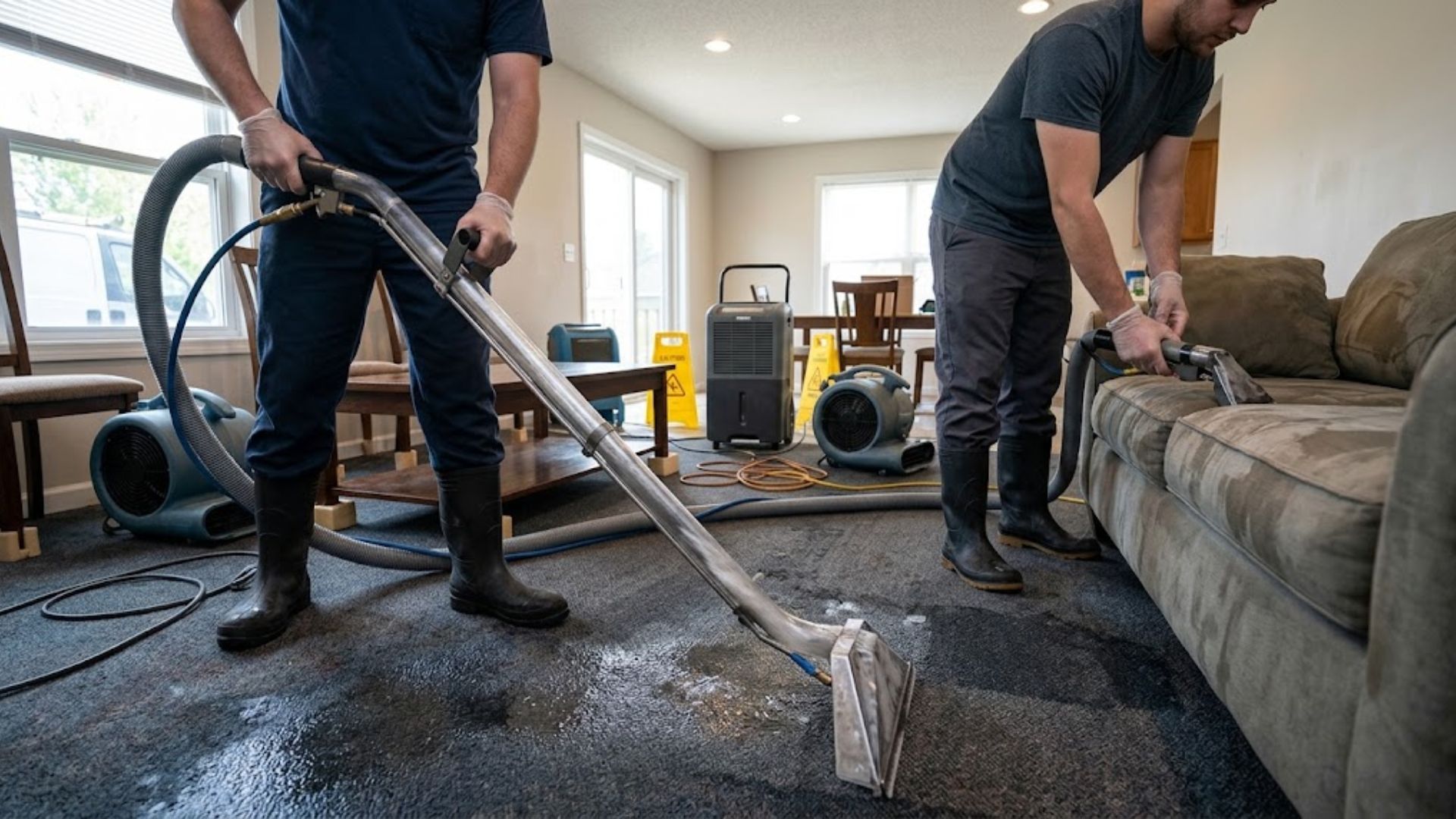
If a home has experienced flooding, a leak, or storm damage, the window to prevent mold growth is short. Professional drying equipment can dry materials fast enough to stop mold before it starts.
Recurring Mold Problems
Mold that keeps coming back after cleaning usually means the underlying moisture source was never fully addressed. A professional assessment can identify what a surface cleaning missed.
DIY Prevention vs Professional Remediation
Situation | DIY Prevention | Professional Remediation |
Small area of surface mold | Often manageable | Optional, for peace of mind |
Mold larger than 3 sq ft | Not recommended | Necessary |
Recurring mold after cleaning | Not effective long-term | Necessary |
Mold behind walls or under floors | Not accessible | Necessary |
Musty odor with no visible mold | Limited effectiveness | Recommended |
Why Coralville Homeowners Trust Professional Mold Remediation
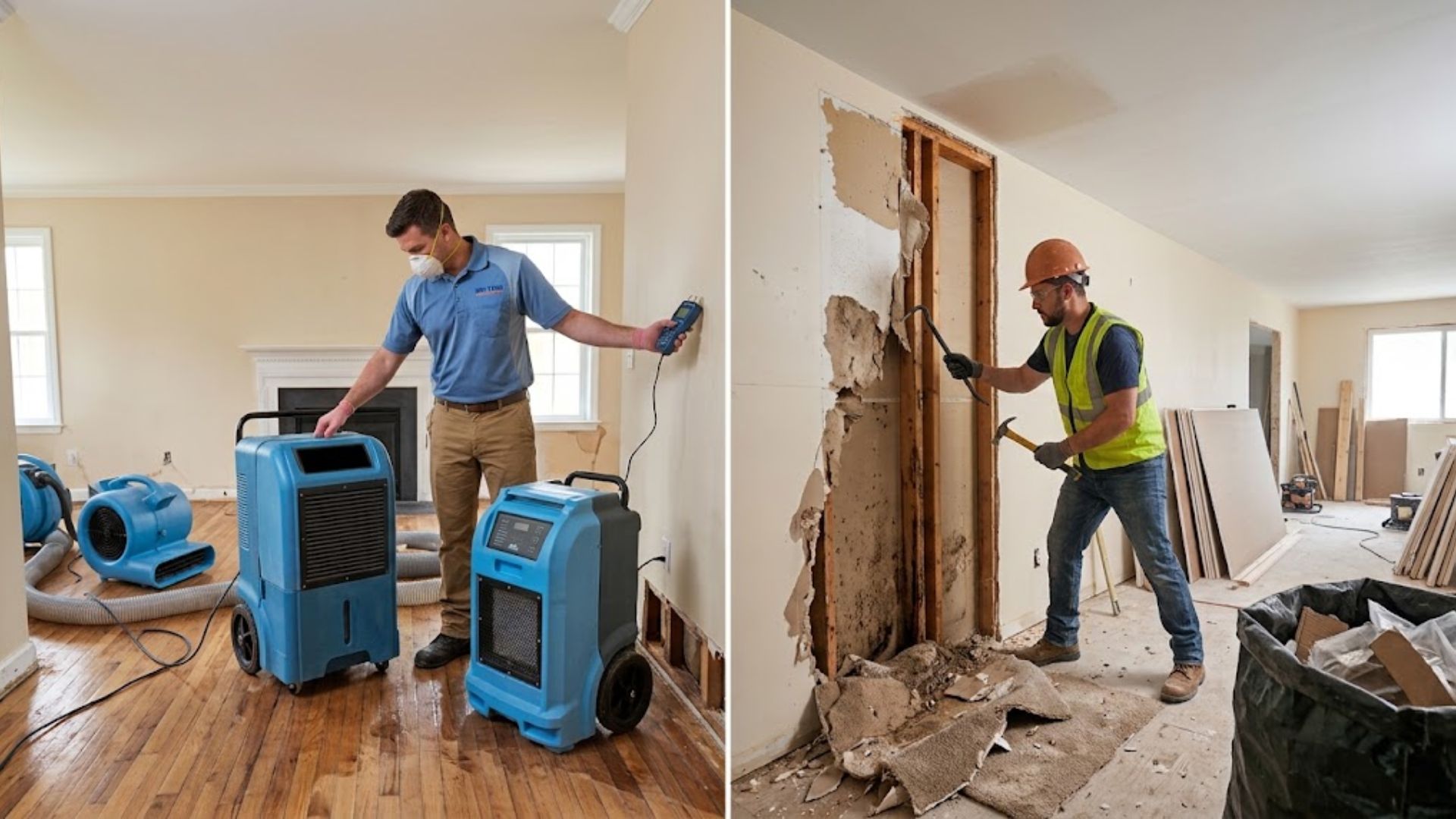
Humid summers make mold an ongoing risk rather than a one-time concern, and hidden growth behind walls or under flooring is nearly impossible to fully address without the right tools. Professional mold remediation services Coralville homeowners turn to use moisture detection equipment, containment procedures, and proper drying techniques to remove mold at its source rather than just cleaning the surface.
Beyond removal, a professional team identifies the moisture source causing the problem in the first place, which is the only way to keep mold from returning once the season’s humidity picks back up again.
If you’re noticing musty odors, visible growth, or recent water damage in your home, reach out to a trusted mold remediation team in Coralville for an inspection before the problem spreads further.
FAQs
How fast can mold grow in a humid home?
Mold can begin developing within 24 to 48 hours when moisture and warm temperatures are both present, which is common during Coralville summers.
Is it safe to remove mold myself?
Small surface mold on non-porous materials can sometimes be cleaned safely, but larger areas or mold on porous materials like drywall generally require professional removal to prevent spores from spreading further.
What humidity level should I keep my home at during summer?
Keeping indoor humidity below 50% significantly reduces the conditions mold needs to grow, especially in basements and other damp-prone areas.
Does homeowners insurance cover mold remediation?
Coverage varies depending on the cause. Mold resulting from a sudden covered event, like a burst pipe, is more likely to be covered than mold from long-term humidity or neglect.
How do I know if mold is affecting my indoor air quality?
Signs include a persistent musty smell, unexplained allergy symptoms, or respiratory irritation that improves when away from home. A professional inspection can confirm whether mold is the cause.
Keep Your Coralville Home Mold-Free This Summer
Humidity isn’t going away anytime soon, but mold problems don’t have to be part of your summer. Browns Floor Care & Restoration delivers trusted mold remediation services Coralville homeowners rely on, using professional moisture detection, containment, and complete removal to stop mold at its source rather than just cleaning the surface.
Whether you’re noticing a musty odor, visible growth, or lingering moisture from a recent storm, waiting only gives mold more time to spread into places that are harder and more expensive to reach. Protect your home’s structure and indoor air quality before the problem grows. Contact Browns Floor Care & Restoration today to schedule an inspection and breathe easier all summer long.