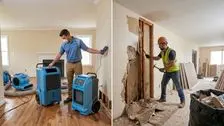

Most Iowa City homeowners associate water damage with spring thaw or winter pipe bursts. Summer feels safe by comparison. But the season brings its own set of risks that catch people off guard: sudden thunderstorms, overworked air conditioners, higher water usage, and foundations under constant pressure from heat and moisture cycles.
Iowa summers swing between heavy rainfall and stretches of humid, sticky heat. That combination stresses a home’s plumbing, roofing, and HVAC systems all at once. When something fails, it rarely gives much warning.
A slow leak behind a wall or a clogged gutter during a storm can turn into thousands of dollars in damage before anyone notices. Knowing what to watch for, and acting fast when something goes wrong, is the difference between a quick fix and a major repair.
This guide walks through the most common summer water damage risks in Iowa City, the warning signs to catch early, and why calling a professional water damage restoration Iowa City team quickly matters.
Why Water Damage Is More Common During Summer
Summer might feel like the safest season for a home, but it puts more strain on a property than most homeowners realize. Here’s a closer look at what’s actually driving that risk.
Heavy Rainfall and Summer Storms
Iowa City summers bring fast-moving thunderstorms that can dump several inches of rain in under an hour. Storm drains and yard grading aren’t always designed to handle such large volumes of water, causing rainwater to pool around foundations and, in older homes, find its way into basements.
Wind-driven rain can also penetrate small gaps in the roof that might not leak during lighter showers, leading to water intrusion even when the roof appears to be in good condition.
Air Conditioner Condensation Problems
Central air units run nonstop through Iowa’s humid months, and that constant operation produces a lot of condensation. A clogged condensate line or a cracked drain pan can send water dripping into ceilings, walls, or attic insulation for days before a stain becomes visible. Because the leak is usually slow, it’s one of the more overlooked causes of summer water damage.
Plumbing Leaks From Increased Water Usage
Sprinklers, garden hoses, extra laundry loads, and more time spent showering after outdoor activity all add up to heavier plumbing use. Older pipes and fittings that hold up fine under normal use can start leaking under this added strain, especially at joints and outdoor spigots.
Foundation Water Intrusion
Iowa’s clay-heavy soil expands and contracts with moisture changes. After a dry spell followed by heavy rain, the ground shifts and can open small cracks in a foundation. Water finds those cracks fast, especially during a hard storm, and seeps into basements or crawl spaces.
Early Warning Signs of Water Damage in Iowa City
Water damage rarely announces itself right away. It usually shows up as a small, easy-to-miss detail long before it becomes an obvious problem. Knowing these early signs gives homeowners a chance to act before repair costs climb.
1. Ceiling and Wall Stains
Yellow or brown discoloration on a ceiling or wall usually means water has already been sitting behind the surface for a while. Even a faint stain is worth investigating right away, since it often signals a slow leak from the roof, an AC line, or plumbing inside the wall cavity.
2. Warped Floors
Hardwood that starts to cup or laminate that bubbles at the seams is a strong sign of moisture underneath. Carpet that feels damp or stays cool to the touch without an obvious spill is another red flag worth checking.
3. Musty Odors
A persistent musty smell, especially in a basement or closet, usually points to trapped moisture and early mold growth. This smell often shows up before any visible staining, making it one of the earliest indicators homeowners can catch.
4. Rising Water Bills
An unexplained jump in the water bill, without a change in household habits, often means a hidden leak somewhere in the plumbing system. This is one of the easiest signs to miss because the leak itself may be completely out of sight behind a wall or under a slab.
How Professional Water Damage Restoration Works
Once water damage is discovered, the response process matters just as much as the response time. A qualified water damage restoration Iowa City team follows a structured process designed to stop damage from spreading and get a home back to normal as fast as possible. Each step builds on the last, from locating hidden moisture to fully restoring the space.
- Inspection: The property is assessed to identify the source of the water and the extent of the damage, including areas that aren’t visibly wet yet.
- Moisture detection: Technicians use moisture meters and thermal imaging to find water that has spread into walls, subfloors, or insulation.
- Water extraction: Standing water is removed using industrial pumps and vacuums to prevent further absorption into building materials.
- Structural drying: Commercial-grade air movers and dehumidifiers dry out the affected areas over several days, with moisture levels monitored throughout.
- Repairs: Damaged drywall, flooring, or insulation is replaced, and the space is restored to its pre-damage condition.
Summer Maintenance Tips to Reduce Water Damage Risk
Most summer water damage comes down to a handful of preventable issues. A few routine checks throughout the season can catch small problems before they turn into expensive repairs.
1. Inspect Gutters
Clear gutters and downspouts of leaves and debris so rainwater has a clean path away from the foundation. Make sure downspouts extend at least a few feet from the house rather than dumping water right at the base.
2. Maintain Your HVAC System
Have the condensate line flushed and the drain pan checked at the start of summer. This one step prevents a large share of the AC-related leaks that show up in Iowa City homes each year.
3. Check Plumbing Connections
Walk through the house and check under sinks, around the water heater, and at outdoor spigots for any signs of moisture or corrosion. Small leaks are much cheaper to fix before they turn into bigger plumbing failures.
4. Inspect Your Roof
Look for missing or curled shingles, damaged flashing, and any soft spots after a storm. A roof that looks fine from the ground can still have gaps that let water in during heavy rain.
Why Choose Professional Water Damage Restoration in Iowa City
DIY fixes can slow down damage temporarily, but they rarely address the full scope of what’s happening inside walls, floors, and ceilings. Professional restoration brings the equipment, experience, and follow-through needed to handle the problem completely.
- Fast response: Water damage worsens by the hour, and a professional team can be on-site quickly to limit how far it spreads.
- Advanced drying equipment: Industrial dehumidifiers and air movers dry a property far faster and more thoroughly than store-bought fans or dehumidifiers.
- Mold prevention: Getting materials dry within the first 24 to 48 hours significantly lowers the chance of mold taking hold.
- Insurance assistance: Experienced restoration companies document the damage properly and can work directly with insurance adjusters, making the claims process smoother for homeowners.
If your home has experienced flooding, a roof leak, or any sign of water intrusion this summer, don’t wait for the damage to spread. Contact a trusted water damage restoration Iowa City team for a fast inspection and get your home back to normal before a small problem turns into a costly one.
FAQs
How quickly does mold start growing after water damage?
Mold can begin forming within 24 to 48 hours of a home being exposed to moisture, which is why fast water extraction and drying are so important.
Does homeowners insurance cover summer water damage?
Coverage depends on the cause. Sudden events like storm damage or a burst pipe are often covered, while gradual leaks from neglect may not be. A restoration company can help document the damage for your claim.
Can I dry out a flooded basement myself?
Small amounts of water can sometimes be managed with a wet vacuum and fans, but any significant flooding usually requires professional-grade equipment to fully dry the space and prevent mold.
How do I know if my AC unit is causing water damage?
Watch for water pooling near the indoor unit, ceiling stains below an attic-mounted system, or a musty smell near vents. These usually point to a clogged condensate line or drain pan issue.
What should I do immediately after discovering water damage?
Shut off the water source if possible, remove valuable items from the affected area, and contact a water damage restoration Iowa City professional right away to begin extraction and drying.
Protect Your Iowa City Home This Summer
Summer storms, plumbing leaks, and struggling AC units don’t wait for a convenient time to cause damage, and neither should your response. Browns Floor Care & Restoration provides fast, professional water damage restoration to Iowa City homeowners trust, with rapid inspections, advanced drying equipment, and a team that handles everything from extraction to final repairs.
Whether you’re dealing with a flooded basement, a roof leak, or hidden moisture behind a wall, waiting only adds to the cost and risk of mold. Don’t let a small issue turn into a major renovation. Contact Browns Floor Care & Restoration today to schedule an inspection and get your home dried out, repaired, and protected before the next storm rolls through.