Water damage can strike our homes in many unexpected ways. Whether it’s from a leaking pipe, a storm, or an overflowing appliance, the impact can be severe. Understanding the causes and knowing the right steps to take immediately can make all the difference in minimizing damage and ensuring a swift recovery.
We must be prepared to act quickly when water damage occurs in Iowa City. Immediate action helps to limit the extent of the damage and reduce the risk of mold growth and structural issues. It’s crucial to know what steps to take and who to call for professional help. In this guide, we aim to provide a comprehensive overview of water damage restoration, from identifying common causes to implementing effective prevention strategies.
Delving into the complexities of water damage may seem overwhelming, but with the right knowledge and tools, restoring your home to its original condition is entirely achievable. Let’s explore the essential information and steps you need to address and prevent water damage effectively.
Understanding the Causes and Types of Water Damage
Water damage can occur in various ways and understanding these causes helps in effective water damage restoration. The most common causes include natural disasters such as floods and storms, which can lead to extensive water infiltration indoors. Additionally, plumbing problems like burst pipes, leaking faucets, and malfunctioning appliances contribute significantly to water damage. Even a small leak can cause substantial damage over time.
Water damage is classified into several types based on the water source and contamination levels. Clean water damage comes from a fresh water source like a broken pipe. Gray water damage, on the other hand, involves water from appliances like washing machines or dishwashers, which may carry contaminants. Black water damage is the most severe, often resulting from sewage backups or natural flooding mixed with harmful substances. Identifying the type of water damage is crucial for choosing the appropriate restoration methods and ensuring safety.
Essential Steps to Take Immediately Following Water Damage
Reacting quickly to water damage can minimize its impact and prevent further issues. Here are the essential steps to take immediately:
1. Ensure Safety: Before anything else, ensure your safety and that of others. Disconnect the power if it’s safe to do so, to avoid electrical hazards. If the water damage is due to a natural disaster, adhere to evacuation protocols and return only when it’s safe.
2. Stop the Water Source: If the water damage is from a plumbing issue, locate and turn off the main water supply to stop further flooding. Identifying the source quickly can significantly reduce the extent of the damage.
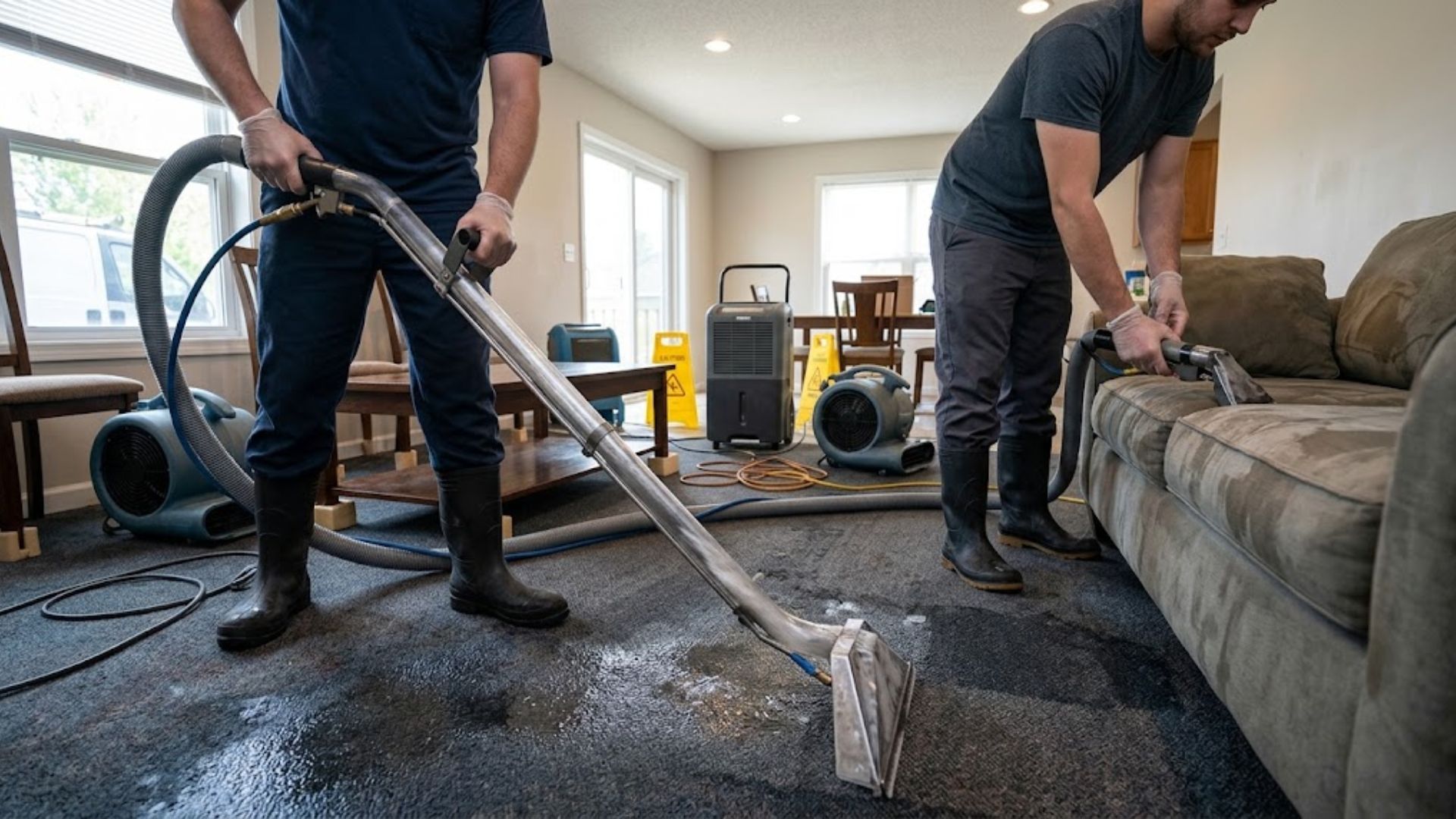
3. Remove Excess Water: Use buckets, mops, or a wet/dry vacuum to extract standing water. The quicker you can remove the water, the less damage it will cause to your flooring, furniture, and walls.
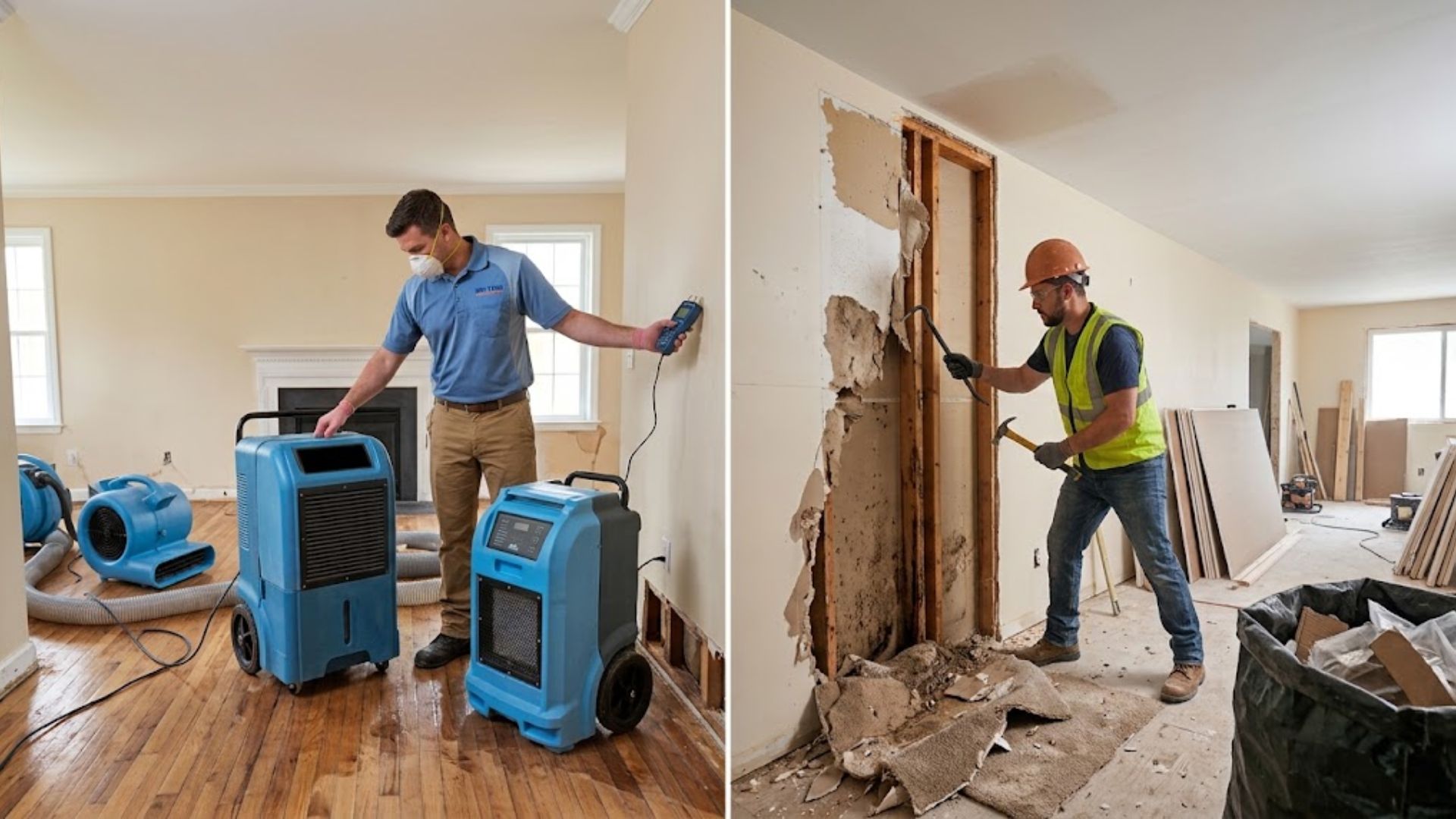
4. Dry Out Affected Areas: Use fans, dehumidifiers, and open windows to circulate air and dry out the affected areas. This helps prevent mold growth, which can start as quickly as 24-48 hours after water damage occurs.
5. Document the Damage: Take photos and make a list of all items affected by the water. This will be essential for insurance claims and helps in keeping track of what needs restoration or replacement.
6. Contact Professionals: Once the immediate threat is under control, reach out to professional water damage restoration services. They have the expertise and equipment to fully address the damage and ensure that your home is restored effectively and safely.
By following these steps, you can mitigate the devastating effects of water damage and pave the way for a smoother restoration process.
The Water Damage Restoration Process Explained
Water damage restoration involves multiple steps to ensure that your property is thoroughly dried and safe from potential mold growth. The process begins with a comprehensive assessment to determine the extent of the damage. This evaluation helps us decide on the best course of action, whether it’s drying out wet carpets, replacing damaged walls, or addressing underlying issues like leaks.
Once the assessment is complete, the next step is water extraction. This involves removing any standing water using specialized pumps and vacuums. After the water is removed, the drying process begins. High-powered fans and dehumidifiers are essential tools we use to reduce moisture levels in the affected areas. Throughout this stage, it’s crucial to monitor the humidity levels to ensure everything is drying evenly and effectively.
Finally, our team cleans and sanitizes the affected areas to prevent mold and mildew growth. This includes cleaning carpets, upholstery, and other materials that may have absorbed water. In some cases, antimicrobial treatments are applied to ensure that your home is not just dry but also safe and healthy.
Preventing Future Water Damage: Tips and Best Practices
Preventing future water damage involves taking proactive measures to protect your home. One of the simplest yet most effective steps is to regularly inspect your home for signs of potential water problems. Look for leaks around windows and doors, check your roof for missing shingles, and ensure that your gutters are clean and functional.
Another key prevention tip is to install a sump pump in areas prone to flooding. A sump pump helps divert water away from your home, keeping basements and lower levels dry. Additionally, consider installing water alarms and automatic shut-off valves. These devices can detect leaks early and automatically shut off the water supply, minimizing potential damage.
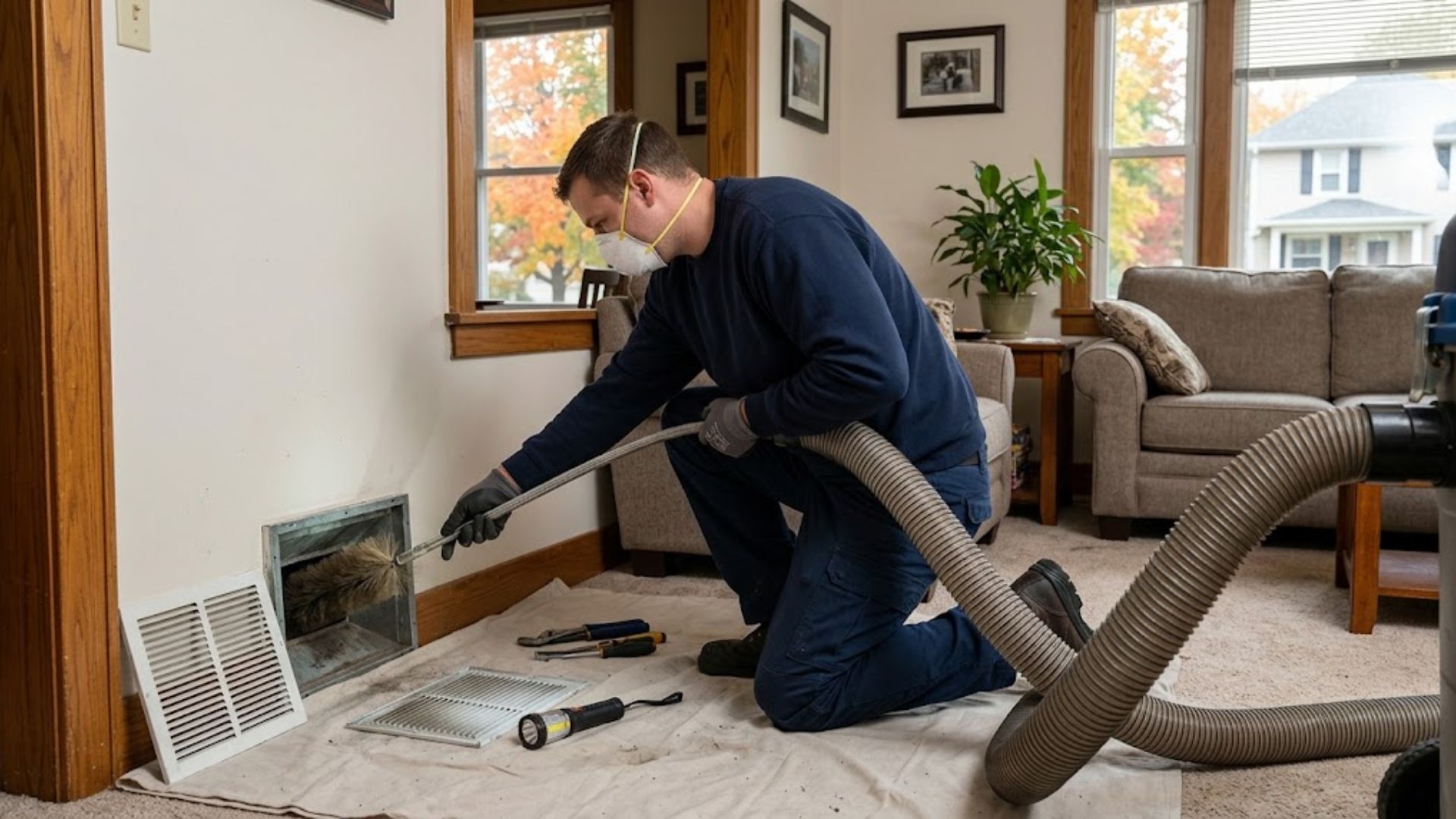
Raising awareness about proper home maintenance can also make a significant difference. Regularly servicing your HVAC system, checking plumbing for leaks, and insulating pipes to prevent freezing can all help to avoid water-related issues. Taking these precautions not only helps prevent water damage but also enhances the overall longevity and safety of your home.
Addressing water damage promptly and effectively is crucial for maintaining a safe and healthy home. Understanding the causes and types of water damage, taking immediate action, knowing the restoration process, and implementing preventive measures can help you safeguard your property. These strategies ensure that you are prepared to handle any water-related issues that may arise.
At Browns Floor Care and Restoration, we offer comprehensive water damage restoration services to help you recover from unexpected water emergencies. Our expert team is equipped with the tools and knowledge needed to restore your home efficiently and effectively. Contact us today to learn more about how we can assist you in keeping your home safe and dry.