
Water damage is not always immediately dramatic. Some situations begin as small leaks, light damp spots, or minor spills that seem easy to handle without professional help. However, water behaves differently than most homeowners expect. It spreads quickly, seeps into hidden materials, and can cause long-term damage even when the surface looks fine.
The biggest challenge is that visible damage often represents only a fraction of the problem. Moisture can travel behind walls, beneath flooring, and into structural components where it continues to weaken materials over time.
Understanding what qualifies as a water damage emergency helps homeowners respond correctly, reduce damage, and avoid expensive repairs. In many cases, timing is the difference between simple cleanup and major restoration work.
What Is Considered a Water Damage Emergency?
A water damage emergency is any situation where water is actively spreading, causing structural risk, or creating unsafe conditions in the home. These events require immediate attention because damage can increase rapidly within hours.
1. Burst Pipes or Major Plumbing Failures
A burst pipe is one of the most urgent forms of water damage because it releases large volumes of water in a short period of time.
Common effects include:
- Rapid flooding in multiple areas of the home
- Saturation of flooring, drywall, and furniture
- Water spreading into adjacent rooms or levels
- Risk of structural weakening if not stopped quickly
In these situations, shutting off the main water supply is the first step, followed by immediate professional water extraction to prevent further damage.
2. Sewage or Contaminated Water
Water damage involving sewage or contaminated sources is always considered an emergency due to health risks.
This includes:
- Sewer backups from toilets or drains
- Floodwater mixed with waste or chemicals
- Contaminated groundwater entering the home
These situations require professional cleanup because contaminated water may contain bacteria, viruses, and hazardous materials. Proper sanitation and protective procedures are necessary to restore safety.
3. Water Entering Walls or Flooring Systems
One of the most serious but less visible emergencies occurs when water enters hidden structural areas.
Warning signs include:
- Moisture seeping into drywall
- Water trapped under hardwood or laminate flooring
- Damp insulation inside walls
- Unexplained soft spots on floors or walls
Even if the water is not visible, trapped moisture can lead to mold growth and structural deterioration. These situations require immediate inspection and moisture detection.
4. Storm or Flood Damage
Severe weather can introduce large amounts of water into a home in a short time.
Typical issues include:
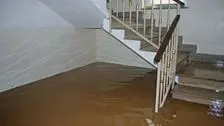
- Standing water in basements or living areas
- Saturated flooring and carpets
- Water intrusion through roofs, windows, or foundations
- Widespread moisture affecting multiple rooms
Storm-related water damage is considered urgent because the scale of water exposure often exceeds what normal household drying methods can handle.
Water Damage Situations That May Not Require Immediate Emergency Service
Not every water issue requires urgent intervention. Some situations can be managed with monitoring and basic cleanup if addressed quickly.
These include:
- Small spills that are cleaned immediately and fully dried
- Minor leaks that are contained and stopped right away
- Light surface moisture from condensation that does not spread
The key factor is whether moisture remains active. If water is no longer spreading and surfaces dry completely within a short time, emergency services may not be required. However, if moisture returns or spreads, professional evaluation is recommended.
Warning Signs Water Damage Is Getting Worse
Even minor water issues can escalate if not properly managed. Homeowners should watch for signs that indicate hidden or worsening damage.
Common warning indicators include:
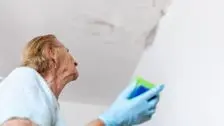
- Expanding stains on ceilings or walls
- Flooring that feels soft, warped, or uneven
- Persistent musty odors that do not go away
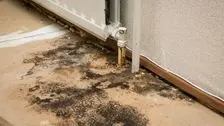
- Visible mold growth in corners or hidden areas
- Paint bubbling or peeling due to moisture buildup
These signs often suggest that water has reached deeper layers of the structure, where it cannot dry naturally without professional assistance.
Why Fast Water Removal Matters
Quick response to water damage is essential because water continues to cause damage the longer it remains in place.
1. Prevent structural deterioration
Water weakens wood, drywall, and subflooring over time. Early removal helps preserve structural integrity.
2. Reduce mold growth risk
Mold can begin developing within 24 to 48 hours in moist environments. Fast drying reduces this risk significantly.
3. Protect flooring systems
Hardwood, laminate, vinyl, and carpet can all be permanently damaged if moisture is not removed quickly.
4. Reduce overall repair costs
Early intervention often allows materials to be restored instead of replaced, lowering total restoration expenses.
How Browns Floor Care & Restoration Helps After Water Damage
At Browns Floor Care & Restoration, the focus is on identifying the extent of water damage and helping homeowners understand the right steps for recovery.
Services typically include:
- Water extraction support to remove excess moisture from affected areas
- Floor condition assessment to determine damage to flooring systems
- Moisture evaluation using professional detection methods
- Restoration recommendations based on the severity of the damage
The goal is to help homeowners make informed decisions while preventing long-term issues such as mold growth, structural weakening, and repeated water damage.
FAQs
1. How fast can water damage affect floors?
Water can begin affecting flooring within hours. Materials like wood and laminate may start swelling or warping within 24 to 48 hours.
2. Is standing water always an emergency?
Yes. Standing water is always considered urgent because it spreads quickly and can damage multiple structural areas.
3. Can wet flooring dry on its own?
Small surface moisture may dry naturally, but water trapped beneath flooring usually requires professional drying equipment.
4. What should I do immediately after water damage?
Stop the water source if possible, remove valuables from the area, and contact a professional for assessment and drying.
5. How do professionals detect hidden moisture?
Professionals use moisture meters and thermal imaging tools to identify water behind walls, under flooring, and inside structural materials.
Don’t Wait Until Hidden Water Damage Becomes a Costly Repair
If you are unsure whether your water damage situation is serious, getting it checked early can prevent much bigger problems later on. Water does not stay in one place. It can move beneath flooring, inside walls, and into structural materials where it continues causing damage even when surfaces look dry. This is why early evaluation is important before deciding on cleanup or repairs.
At Browns Floor Care & Restoration, we help homeowners properly assess water damage by identifying visible issues and detecting hidden moisture that is not easy to see. Our process includes evaluating flooring conditions, checking moisture levels with professional tools, and determining the extent of the damage so you know exactly what needs attention.
With the right inspection, you can avoid unnecessary repairs, reduce long-term costs, and prevent issues like mold growth or structural weakening. Reach out early to make sure your home is properly protected and restored the right way. Contact us today!