
A humid home creates one of the most ideal environments for mold growth. When moisture levels remain high for long periods, water can settle into hidden areas of the home such as flooring systems, drywall, carpets, insulation, and even inside air ducts. Once moisture becomes trapped, mold spores can activate and begin growing without being immediately visible.
What makes this especially concerning is that mold rarely starts where homeowners can easily see it. It often begins beneath flooring, behind walls, or inside damp materials long before any visible signs appear on the surface. By the time mold becomes noticeable, it has often already spread further than expected.
This is why mold removal in humid homes is not just about cleaning visible spots. It is about identifying moisture sources, controlling humidity, and addressing hidden contamination before it becomes a larger structural and health issue.
Professional mold inspection and mold remediation play an important role in this process because they focus on both removal and prevention, ensuring the problem does not return.
Why Humidity Makes Mold Problems Worse
Humidity refers to excess moisture in the air. When indoor humidity levels stay high, surfaces inside the home remain damp longer, creating the perfect conditions for mold growth.
Mold requires three basic elements to grow
- Moisture
- Organic material such as wood, drywall, carpet, or dust
- Warm temperatures
In humid environments, moisture is almost always present. This allows mold to grow faster and spread deeper into building materials.
How moisture spreads inside the home
High humidity does not stay in one place. It moves throughout the home and settles in areas where airflow is limited. Once moisture enters these spaces, it becomes difficult to dry without proper ventilation or dehumidification.
Common areas where humidity creates mold risks
Certain parts of the home are more vulnerable than others. These include
- Bathrooms where steam builds up from showers and sinks
- Basements that naturally stay cooler and retain moisture
- Spaces under flooring where water can become trapped after leaks or spills
- Areas around plumbing systems including sinks, toilets, and appliances
- HVAC systems that circulate humid air throughout different rooms
These areas often stay damp long enough for mold to grow unnoticed. In many cases, homeowners only discover the issue after odors or damage become visible.
Signs Your Home May Have a Moisture Related Mold Problem
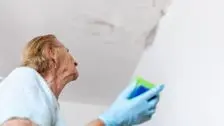
Mold does not always appear as obvious black or green patches. In many cases, the earliest signs are subtle and easy to overlook.
Common warning signs include
- Persistent musty or damp odors that do not go away
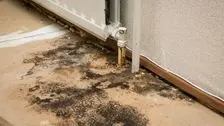
- Visible mold spots on walls, ceilings, or flooring surfaces
- Peeling paint, bubbling wallpaper, or discoloration on walls
- Warped, soft, or uneven flooring caused by trapped moisture
- Increased allergy symptoms such as coughing, sneezing, or eye irritation while indoors
These signs often appear gradually. When multiple symptoms are present at the same time, it is usually an indication that moisture has been present long enough for mold to develop in hidden areas.
Why early detection matters
The longer moisture remains in place, the more extensive the damage becomes. Mold can weaken structural materials, damage flooring systems, and affect indoor air quality. Early detection helps prevent costly repairs and reduces long-term health risks.
Why Moisture Control Is the Key to Long Term Mold Prevention
Mold removal alone does not solve the problem permanently. If moisture remains present, mold will continue to return. This is why moisture control is the most important part of long-term mold prevention.
1. Fixing the source of moisture
The first step is always identifying where the moisture is coming from. Without addressing the source, any cleanup effort will only provide temporary relief.
Common moisture sources include
- Plumbing leaks hidden behind walls or under flooring
- Roof leaks that allow water to enter during storms
- Poor drainage around the foundation of the home
- Condensation caused by temperature differences and poor insulation
Once these issues are identified, they must be repaired as quickly as possible. Even small leaks can create enough moisture over time to support mold growth.
2. Managing indoor humidity levels
After the source of moisture is controlled, indoor humidity must be regulated to prevent mold from returning.
Effective humidity control methods include
- Running exhaust fans in bathrooms, kitchens, and laundry rooms
- Using dehumidifiers in damp areas such as basements
- Improving ventilation throughout the home by allowing airflow
- Keeping windows open when weather conditions allow
- Scheduling regular mold inspection and moisture checks
Maintaining stable humidity levels reduces the chance of mold regrowth significantly.
Why consistent monitoring is important
Even after repairs, moisture can return if conditions change. Seasonal humidity, weather patterns, and daily household activities all affect indoor moisture levels. Regular monitoring ensures problems are caught early.
Why Professional Mold Removal Is Better Than DIY Cleanup
Many homeowners attempt to clean mold themselves using household cleaners. While this may remove surface stains, it does not solve the underlying issue.
1. Hidden mold detection
One of the biggest limitations of DIY cleanup is that mold often grows in hidden areas that are not visible without specialized equipment.
Professionals are trained to locate mold in
- Subflooring beneath carpet, tile, or hardwood
- Behind drywall and inside insulation
- Inside HVAC ducts and air circulation systems
Without proper detection tools, these areas are often missed, allowing mold to continue growing.
2. Safe containment and removal
During mold removal, spores can easily spread through the air if not properly controlled. Professional mold remediation includes containment procedures that prevent cross-contamination.
This helps
- Protect clean areas of the home
- Improve indoor air quality
- Reduce exposure risks during removal
3. Protecting flooring and structural materials
Mold can slowly damage building materials over time. Professionals focus on preserving and restoring materials whenever possible instead of immediately replacing them. This helps reduce overall repair costs and maintain the integrity of the home.
Risks of DIY mold cleanup
- Spreading mold spores to unaffected areas
- Incomplete removal of hidden mold
- Temporary results with recurring growth
- Exposure to allergens and irritants
How Browns Floor Care & Restoration Helps With Mold and Moisture Issues
At Browns Floor Care & Restoration, the focus goes beyond surface cleaning. The main goal is to identify the root cause of moisture problems and deliver long-term solutions that protect both the structure of the home and the health of the people living in it. Instead of simply treating visible mold, the process is designed to address what is happening beneath the surface so the issue does not return.
The approach begins with a full inspection of affected areas to identify both visible and hidden mold. This is followed by moisture detection to determine exactly where the problem is coming from, whether it is a leak, trapped humidity, or water intrusion. After that, a detailed assessment of flooring and structural damage is completed to understand how far the issue has spread and what materials have been affected. When necessary, safe removal of damaged or contaminated materials is performed to prevent further contamination and prepare the area for restoration. Once the damaged sections are addressed, restoration support is provided to bring the affected areas back to a safe and functional condition. To help prevent future issues, homeowners are also given practical recommendations focused on moisture control and mold prevention.
The services commonly provided include mold and moisture inspections, water damage restoration support, flooring repair and replacement guidance, and preventive moisture control solutions. This combination of services ensures that both the immediate damage and long-term risks are properly managed.
This approach works because it targets both the visible damage and the underlying moisture source. By solving the root cause instead of just treating symptoms, homeowners receive a more complete and lasting solution. This significantly reduces the chances of mold returning and helps protect the home’s structure and indoor air quality over time.
FAQs
1. Can mold grow under flooring?
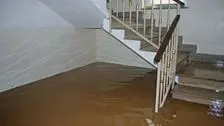
Yes. Mold can grow under flooring when moisture becomes trapped between layers of wood, vinyl, or carpet. This often happens after leaks, spills, or flooding that are not fully dried.
2. How quickly can mold grow after water exposure?
Mold can begin growing within 24 to 48 hours if moisture is not removed quickly and the area remains damp.
3. Does removing visible mold solve the problem?
No. Visible mold is only part of the issue. The moisture source and hidden mold must also be addressed to prevent mold from returning.
4. How can I prevent mold during humid weather?
You can reduce mold risk by
- Using dehumidifiers regularly
- Improving airflow in closed or damp rooms
- Fixing leaks immediately
- Maintaining low indoor humidity levels
5. When should I call a mold removal professional?
You should call a professional when
- Mold keeps returning after cleaning
- There is a persistent musty odor indoors
- Moisture damage affects flooring or walls
- Mold is suspected in hidden areas
Key Takeaway: Mold Starts With Moisture, Not Just Surface Growth
Mold in humid homes is not only a surface problem but a deeper moisture issue that develops over time in hidden areas like flooring, walls, and insulation. Without proper moisture control, mold will continue to return even after cleaning or removal.
This is why addressing humidity, leaks, and trapped water is essential for long-term protection. Professional mold inspection, moisture management, and remediation help ensure the problem is fully resolved at its source, not just on the surface.
For dependable help restoring a safe and healthy home environment, contact Browns Floor Care & Restoration for expert mold and moisture solutions that protect your home from the inside out.